
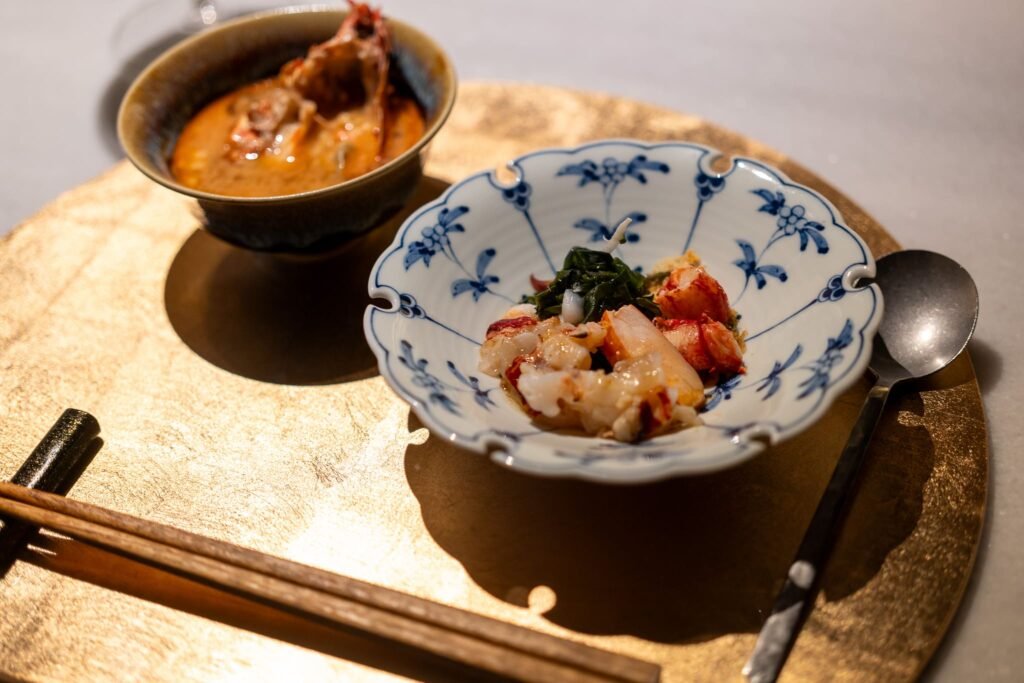
What is umami? The fifth taste
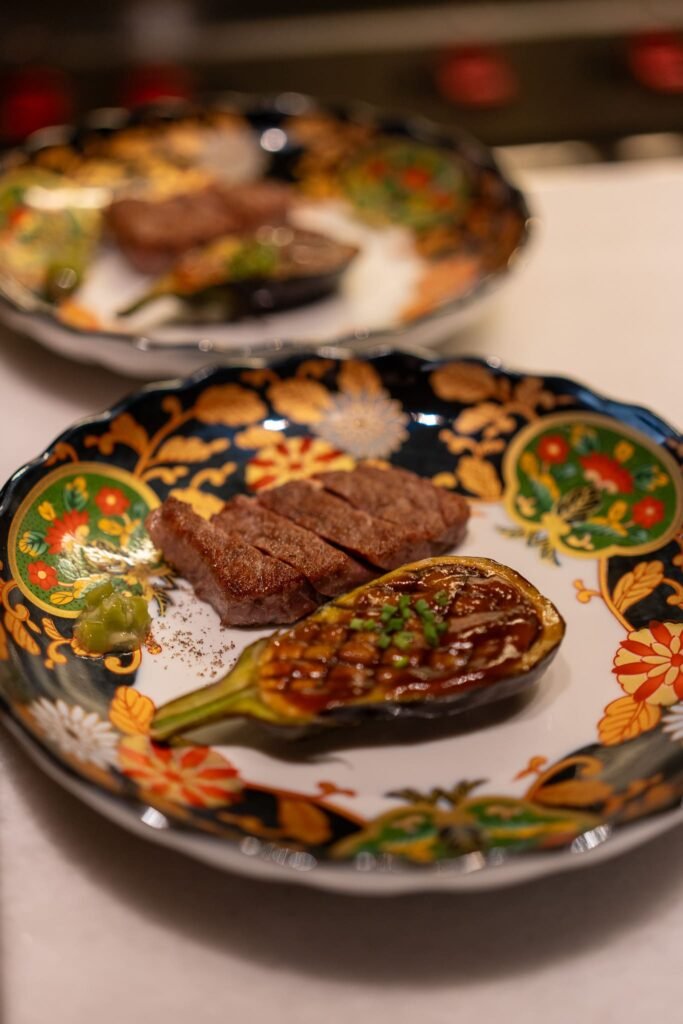
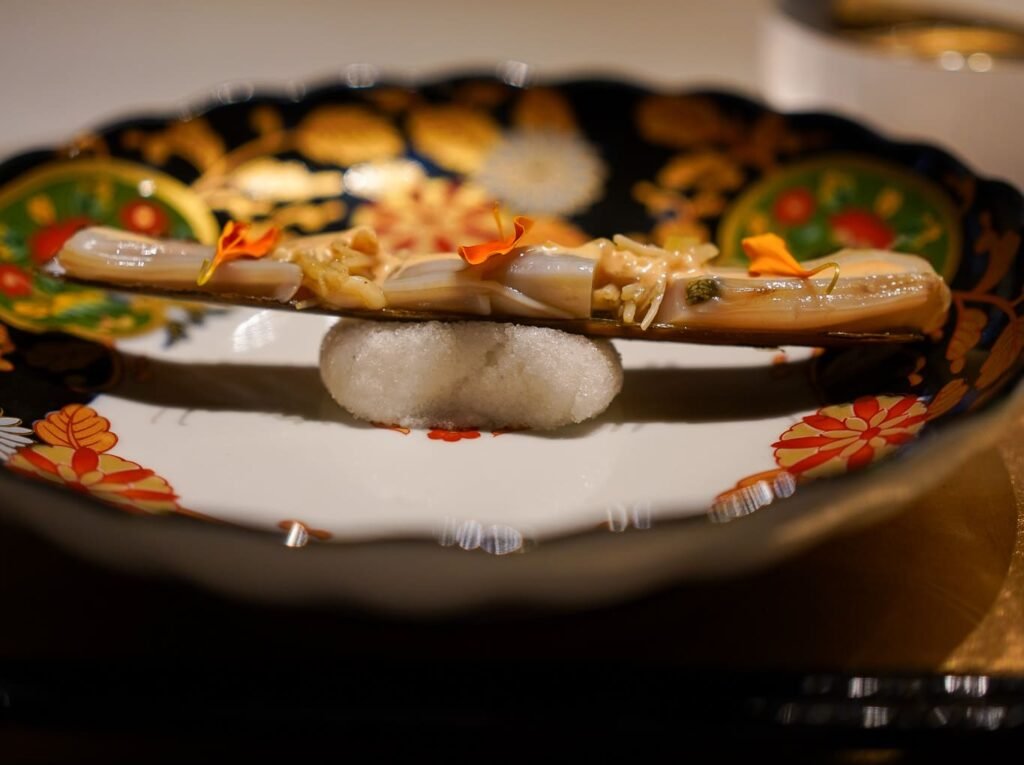
What is umami
The word comes from Japanese and means “delicious taste”. It was identified in 1908 by the Japanese chemist Kikunae Ikeda, who isolated glutamate from kombu and found it produced a sensation different from the four classic tastes.
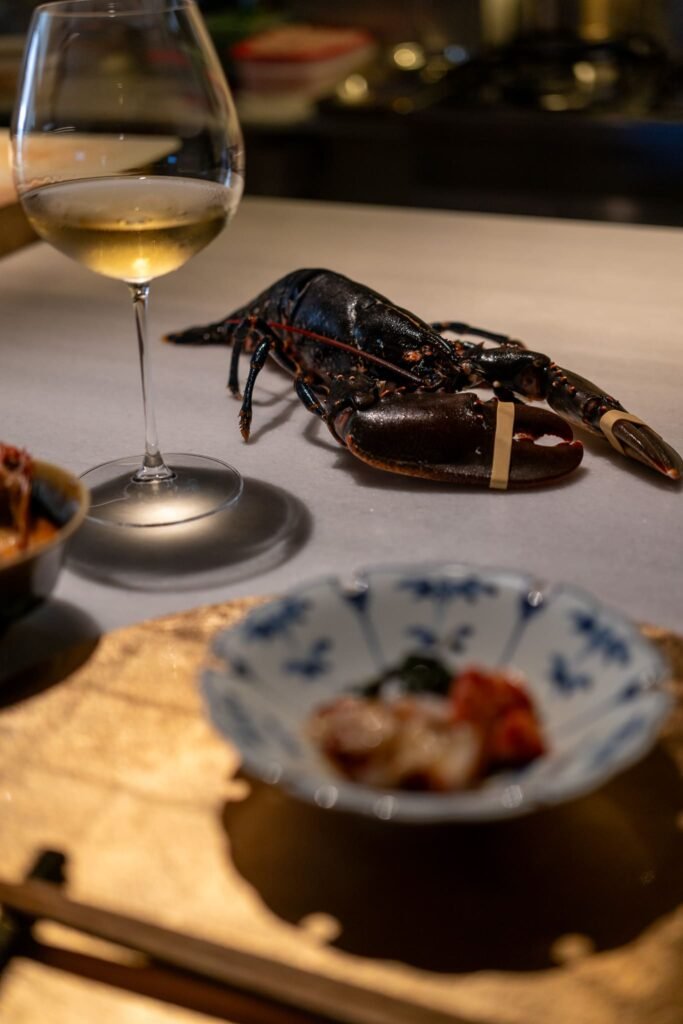
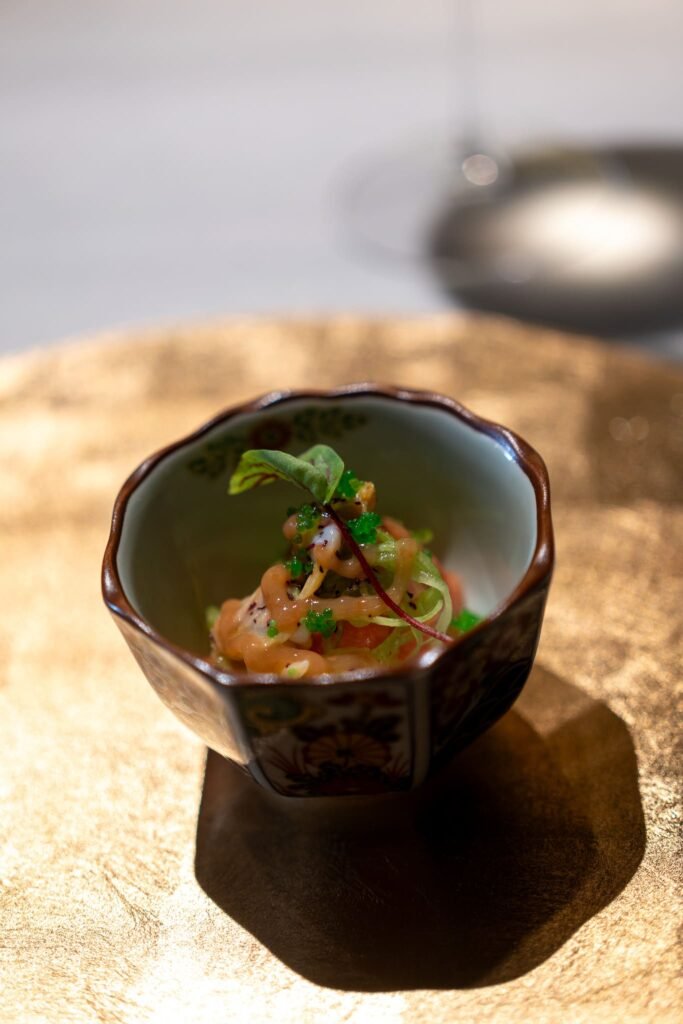
Which foods have umami
Kombu, katsuobushi, dried shiitake, miso and soy sauce in Japanese cooking; parmesan, cured ham, ripe tomato, anchovies and mushrooms in the Mediterranean. Glutamate, inosinate and guanylate are the key compounds.
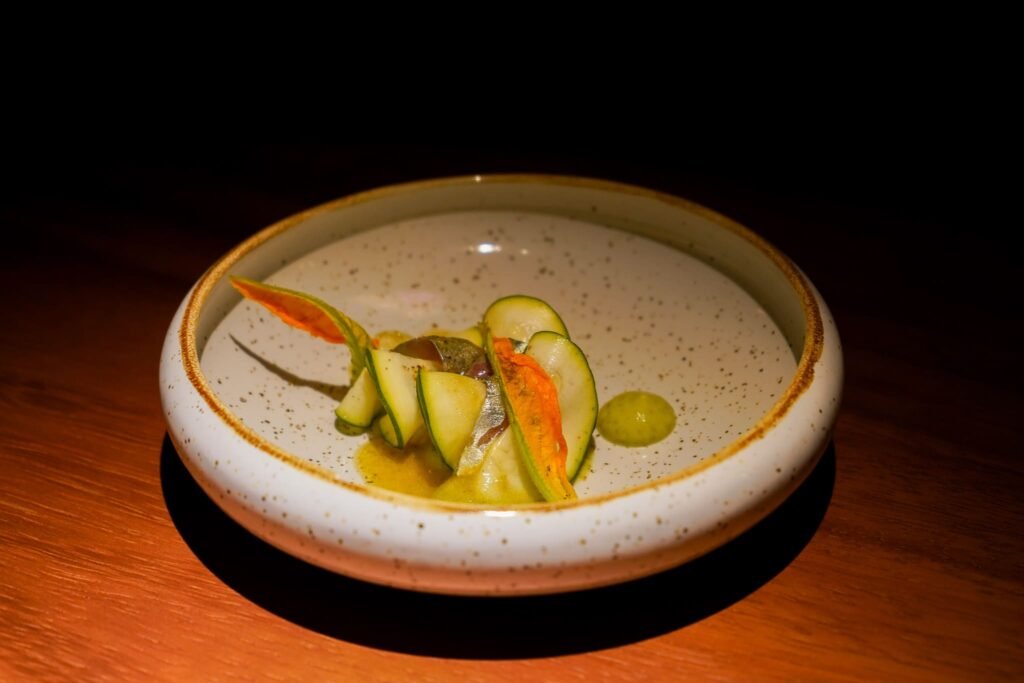
The word comes from Japanese and means “delicious taste”.
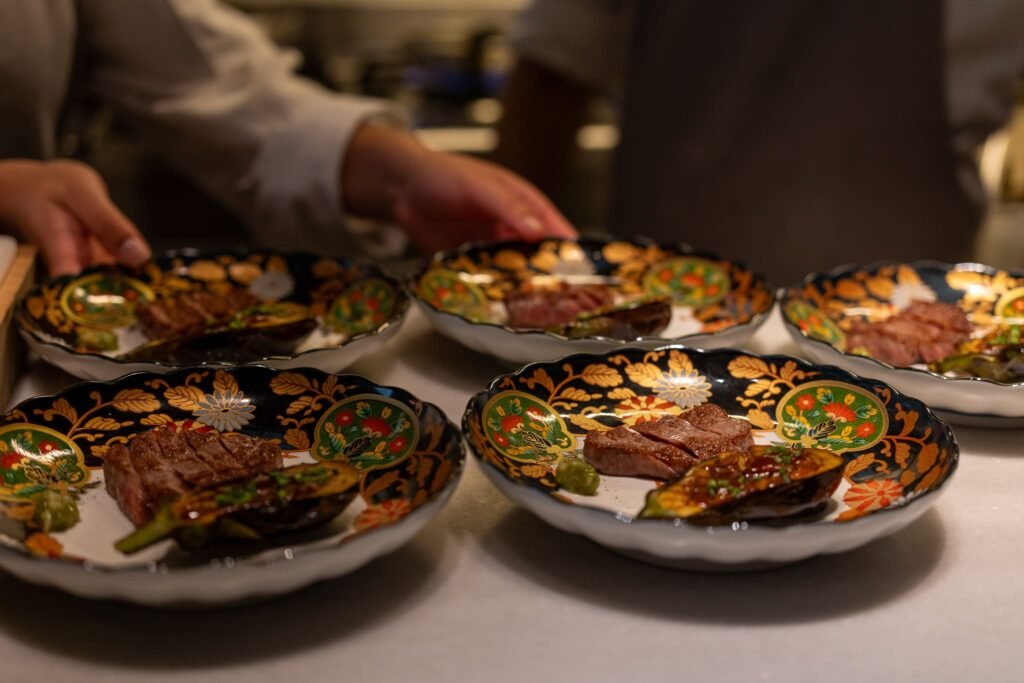
Why it multiplies when combined
Glutamate plus inosinate (kombu plus katsuobushi) produce a synergy that exceeds the sum of the parts. It is the secret of dashi.
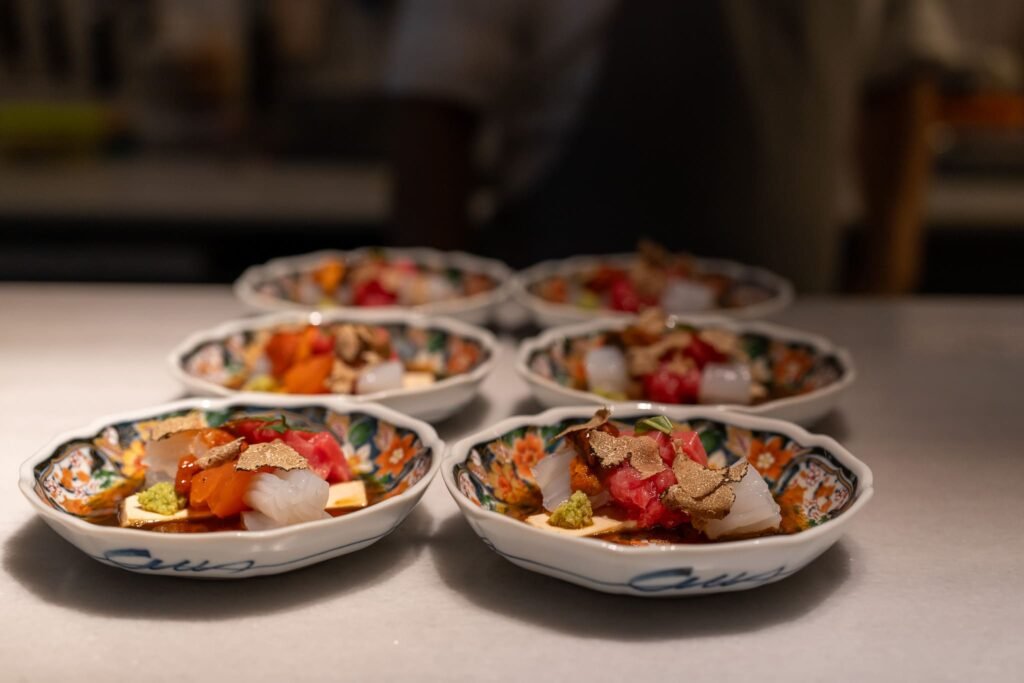

Umami in a menu
A chef who masters umami does not need much salt or fat: depth is built with broths, ferments and ageing. It is the conceptual basis of much Japanese cooking and of Japanese-Mediterranean fusion.
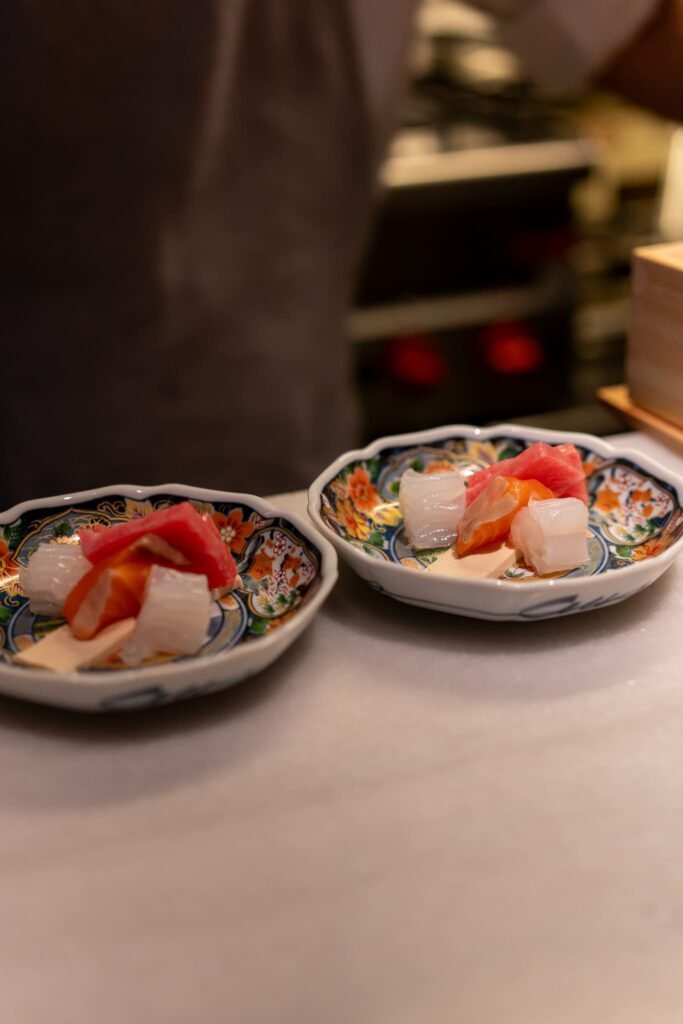
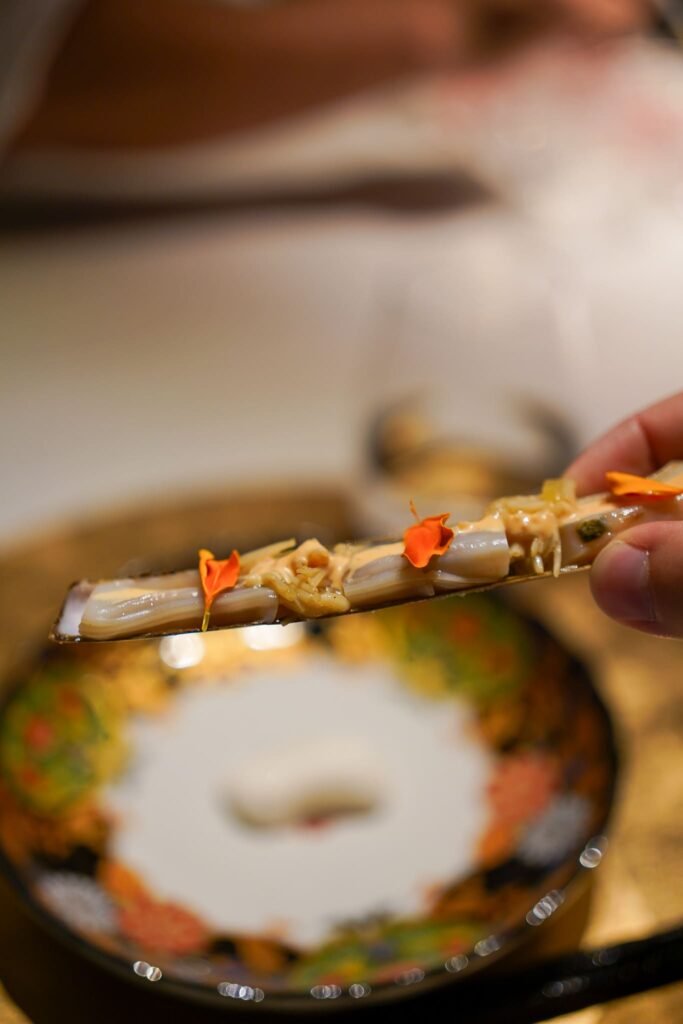
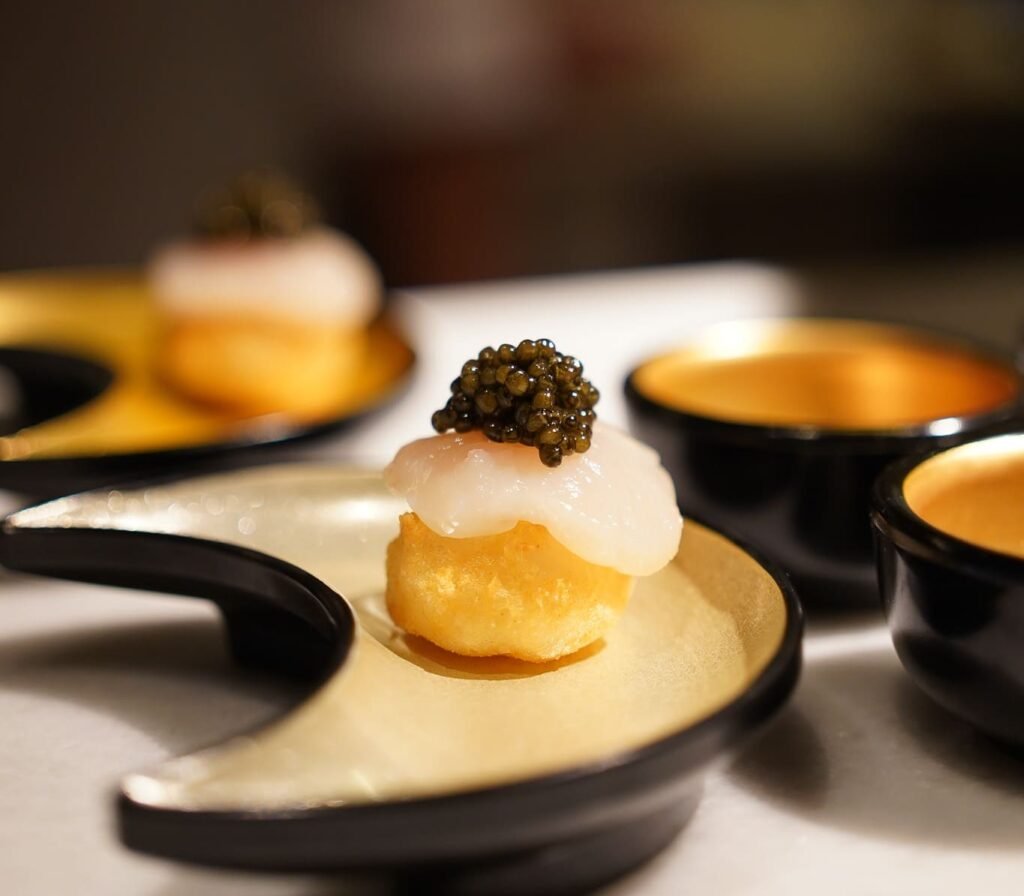
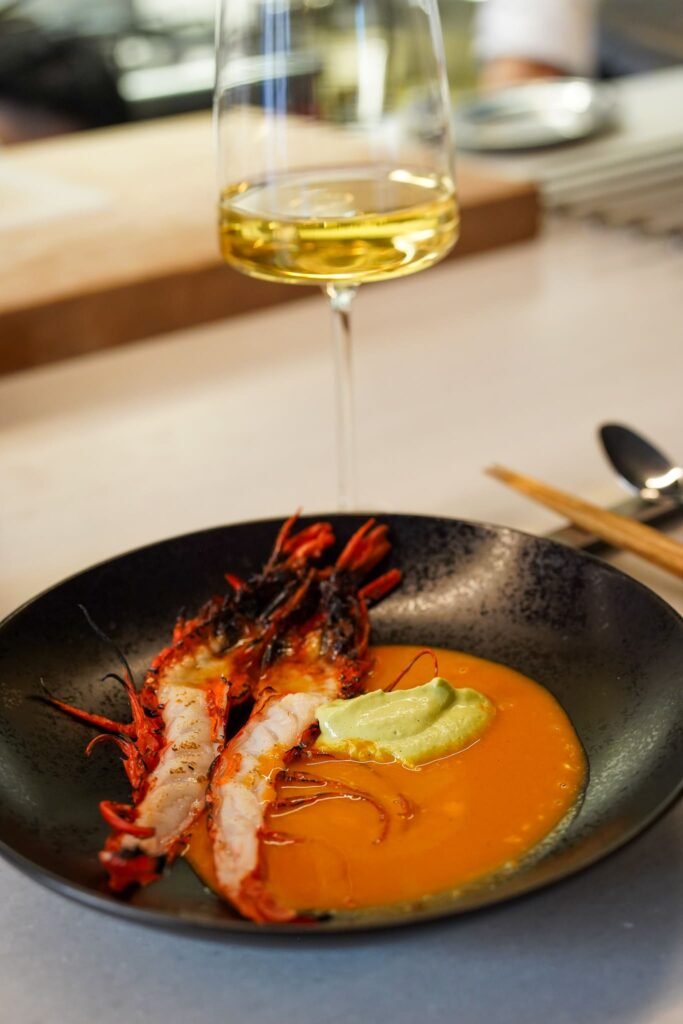


Experience Teppei Nii’s cuisine
Japanese-Mediterranean tasting menu in the heart of Eixample, Barcelona.