
What is dashi? The base stock of Japanese cooking

What is dashi
Dashi is a stock made by steeping dried ingredients in hot water, without boiling hard, to extract their flavour without bitterness. Unlike a Western stock, it takes no hours of simmering and has no fat: it is made in minutes and its character is clean and delicate.
What dashi is made of
Classic dashi combines kombu (dried kelp) and katsuobushi (flakes of dried, fermented bonito). There are variations with dried shiitake, with niboshi (dried sardines) or with kombu alone for vegetarian cooking. Each combination adds a different nuance of umami.
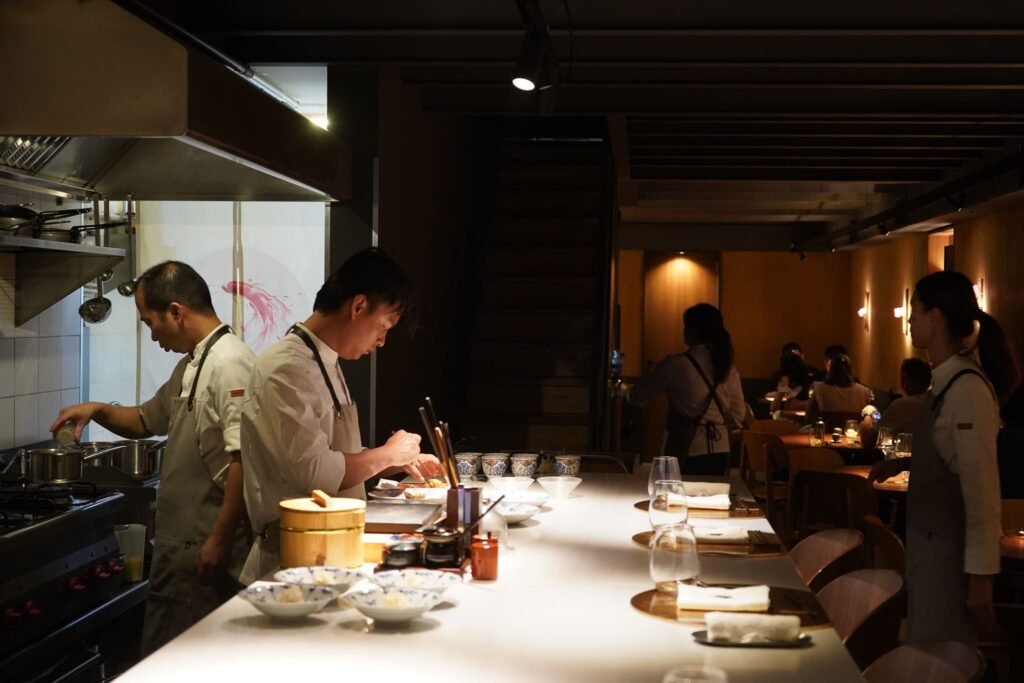
Dashi is a stock made by steeping dried ingredients in hot water, without boiling hard, to extract their flavour without bitterness.
Why it is the base of umami
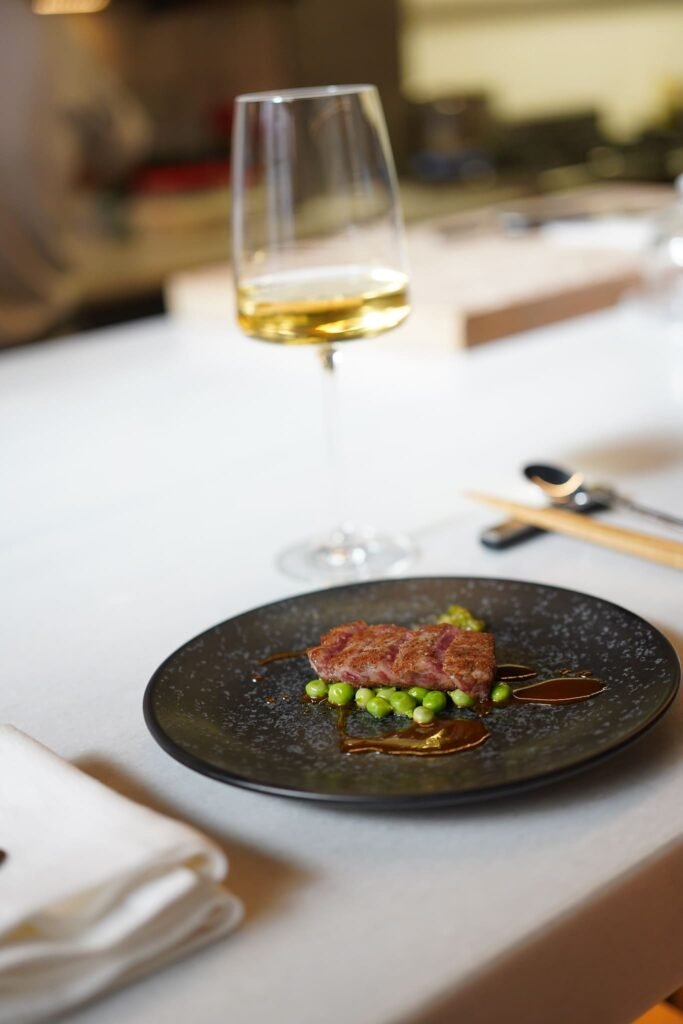
Kombu provides glutamate and katsuobushi provides inosinate; together they multiply the sensation of deep flavour. That is why dashi is used in miso soup, in somen broth, in tempura dipping sauce and in steamed egg dishes.

Dashi in a Japanese tasting menu
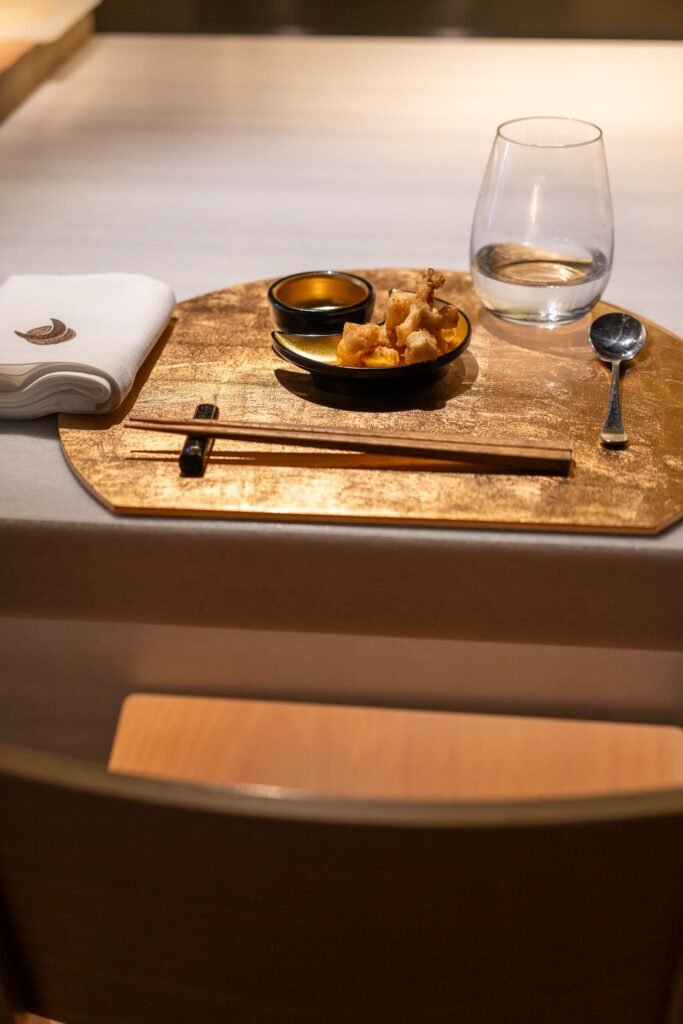
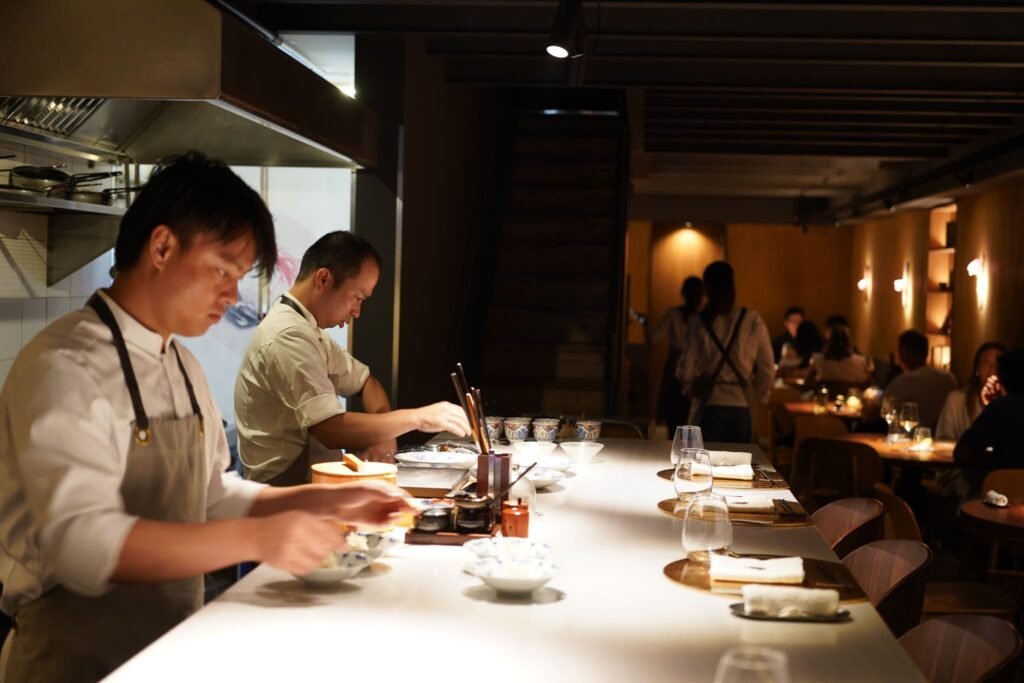
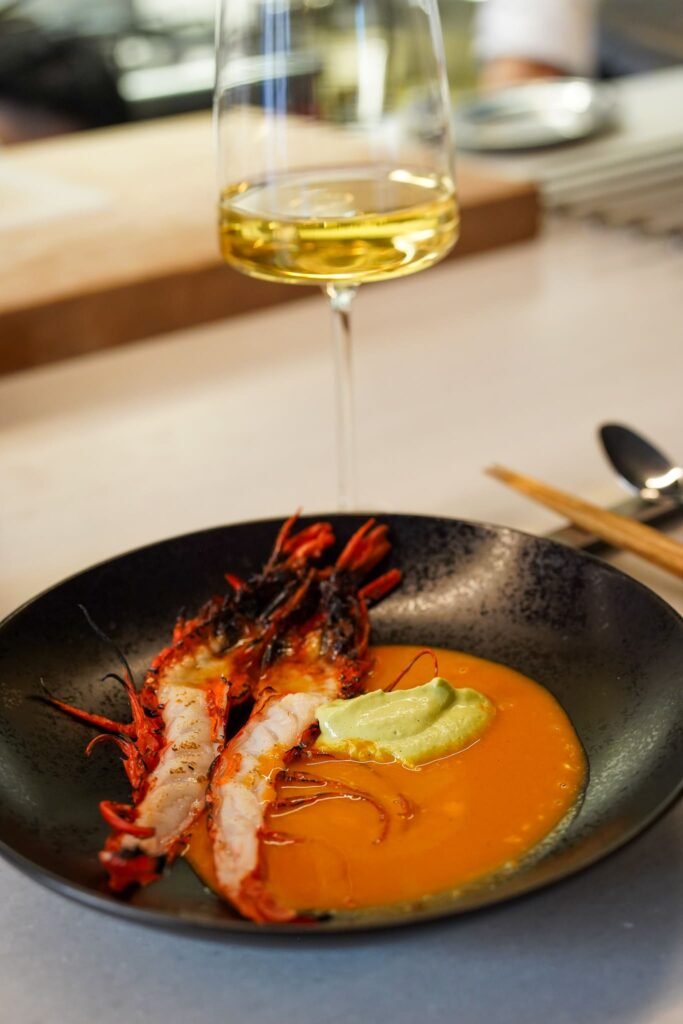
In a tasting menu dashi often goes almost unnoticed, but it supports many courses: broths served with shellfish, foams, jellies or sauces. At Soluna, chef Teppei Nii’s Japanese-Mediterranean cooking relies on Japanese stocks like this one to give depth to seasonal produce.


Experience Teppei Nii’s cuisine
Japanese-Mediterranean tasting menu in the heart of Eixample, Barcelona.