

What is wasabi? Flavour, origin and how to spot the fake


What is wasabi
Wasabi (Wasabia japonica) is a plant of the cruciferous family, related to mustard and radish. It grows in cold, clean mountain streams, which makes it hard and expensive to cultivate. It is grated fresh, traditionally on a sharkskin grater.

Why the heat is different
Chilli heat is capsaicin and acts in the mouth. Wasabi heat comes from volatile compounds (isothiocyanates) released when the root is grated, which rise through the nose. That is why it is intense but brief, and why it should be grated just before serving.
Wasabi (Wasabia japonica) is a plant of the cruciferous family, related to mustard and radish.
Real wasabi and tube wasabi
Much of the wasabi served outside Japan is actually horseradish with mustard and green colouring. It is hot, but lacks the sweet, herbal complexity of the real root. A clue: fresh wasabi loses its strength within about 15 minutes.


How to use it
A tiny amount is enough: on nigiri, beside sashimi, or in a foam or sauce for white fish. It is used to lift, not to cover the flavour of the produce.
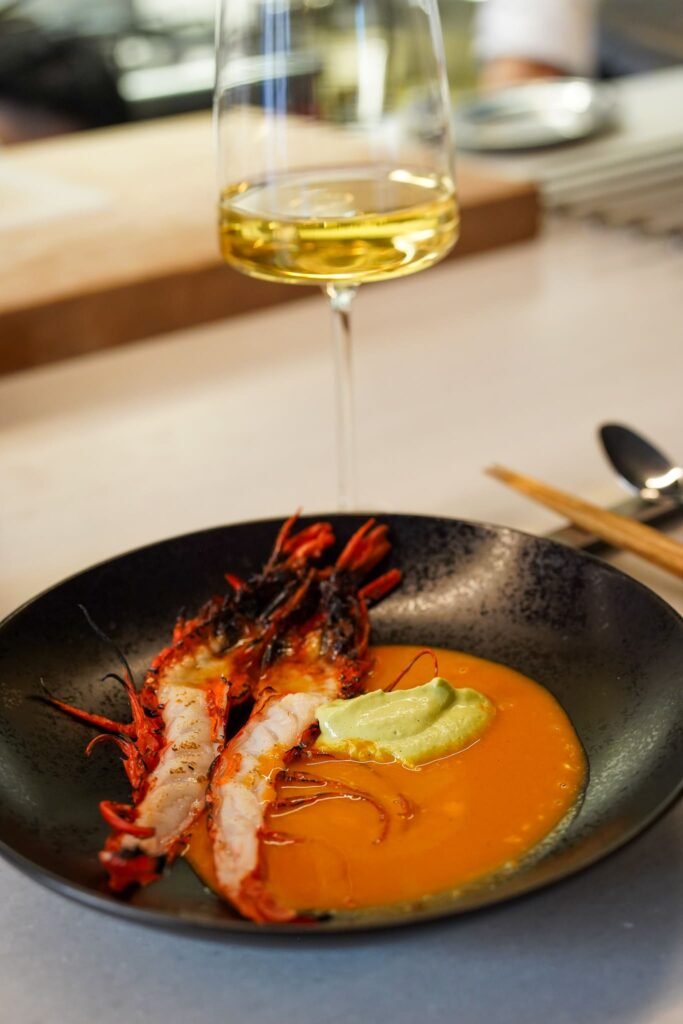

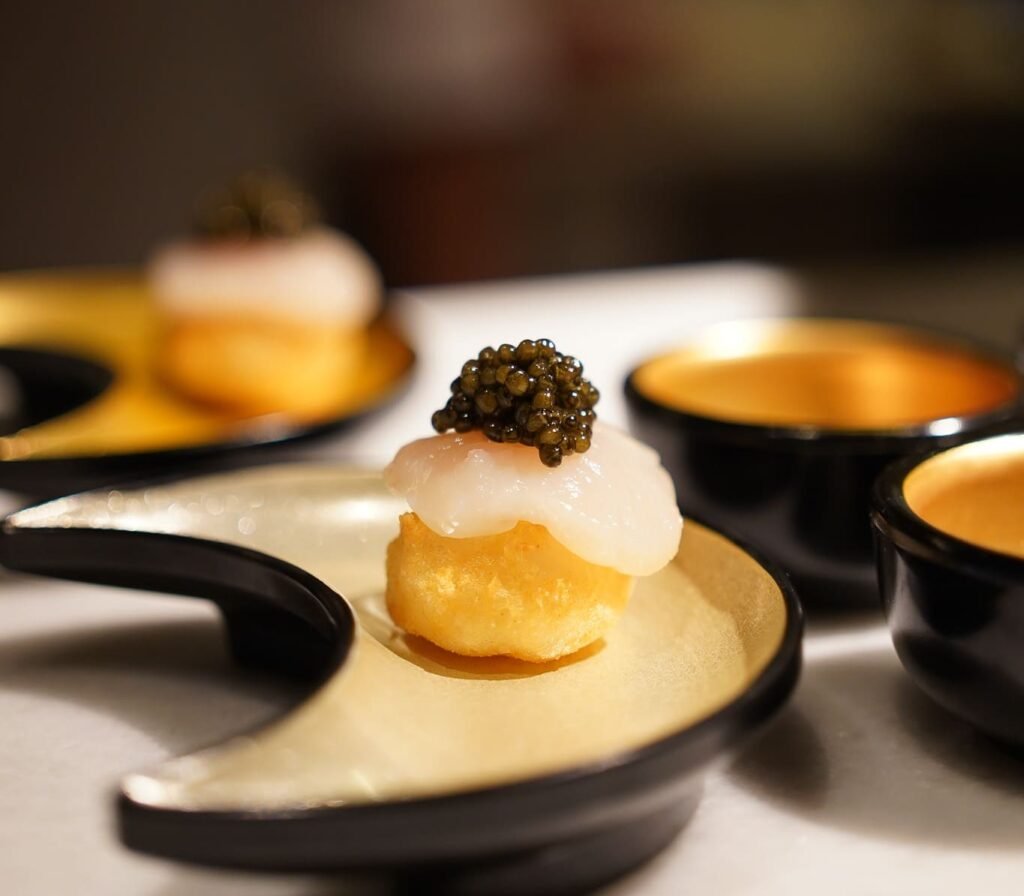
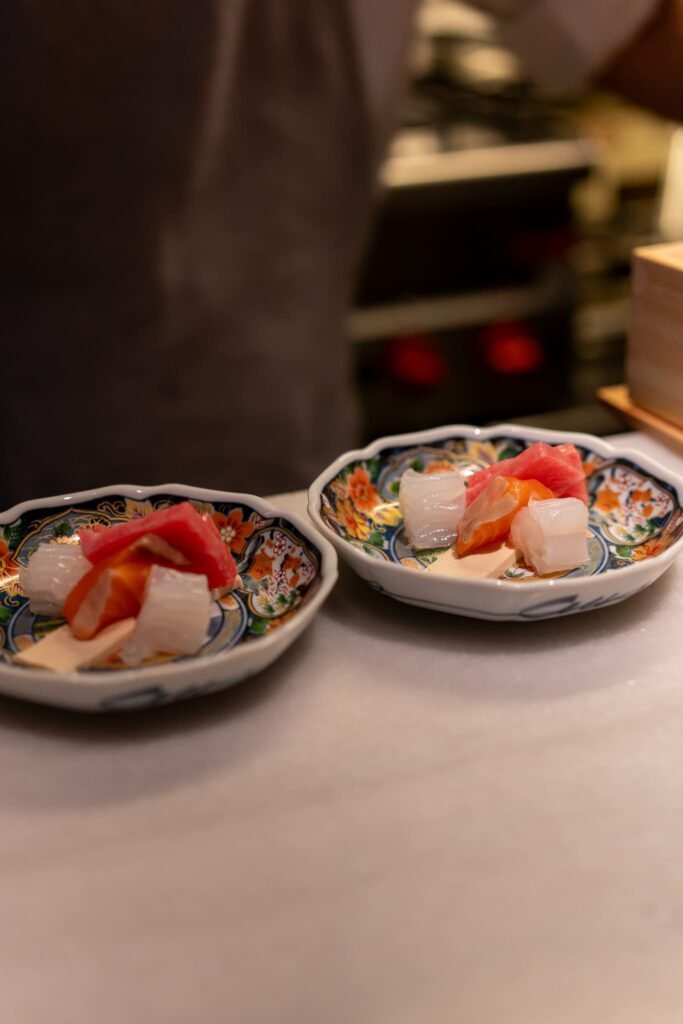


Experience Teppei Nii’s cuisine
Japanese-Mediterranean tasting menu in the heart of Eixample, Barcelona.